

An incrementality test can estimate whether ChatGPT advertising adds qualified B2B pipeline, but this potential isn’t proof of platform features or attribution. Treat AI-native advertising as a channel to test, not a proven source of incremental demand. For B2B teams, compare a defined test population with a credible holdout, then follow both through the sales cycle.
You don’t need perfect attribution to run a useful test. You do need a fair comparison, reliable CRM stages and enough patience to see what happens after the click. Start with what the advertising platform can actually tell you.
What ChatGPT ads can tell you today
Where the ads appear and who sees them
OpenAI describes ads as separate from the AI-generated response. Check its current documentation for confirmed placements and formats before planning a campaign.
OpenAI’s Free and Go tier eligibility covers two separate tiers; Plus and Pro tiers are ad-free. A company researching software on a personal account might see an ad, whilst a team using an Enterprise account won’t. Don’t assume impressions represent the whole market, or that an ad impression means a buyer has entered an active purchasing process.
Ads may be matched to conversation context using context hints, but relevance doesn’t establish buyer intent. Advertisers don’t get access to individual prompts, chat history or a prospect’s identity. Build the message around a recognisable buyer problem instead. The same principle applies when you measure AI search’s contribution to pipeline: visible activity is only part of the journey.
Buying options are not performance benchmarks
Check whether European availability and Ads Manager access are confirmed for your account before setting a launch date. Review OpenAI’s European advertising update and confirm current controls and options in Ads Manager.
There isn’t a universal public price that tells you what a UK B2B lead should cost. Confirm that the advertising platform is available to you, then check which bidding model your subscription tier supports, including cost per click and any minimum spend. An early CPC may help you manage budget, but it won’t tell you whether the campaign creates new demand. That distinction matters in any UK B2B lead generation strategy.
Why ChatGPT ads need an incrementality test
Attribution answers a different question
Suppose someone clicks your ad, reads a guide and returns three weeks later through branded search to book a demo. Ads Manager, analytics and your CRM may assign that journey different credit. None can tell you, on its own, whether the person would have booked without the ad.
Attribution helps you inspect the customer journey and assign credit along the route people took. Incrementality compares outcomes with and without campaign activity. Google’s explanation of Conversion Lift uses treatment and control groups to measure causal impact. That’s a useful description of the method, not a claim that OpenAI offers the same testing tool.
Treat platform-reported conversions as campaign evidence, not proof of lift. Then use a controlled comparison to test whether those conversions were additional. Our guide to marketing attribution and revenue explains why cross-channel attribution reports rarely add up neatly.
Write down the decision before spending
Choose one question you can act on, tied to your campaign objectives: Does adding ChatGPT advertising increase sales-accepted leads from the UK accounts we want to win? It’s clearer than asking whether the ads ‘work’.
Next, name your primary metric, outcome definition, test population, holdout method, campaign dates and review date. Keep those definitions fixed to protect the comparison. Set a minimum result and minimum spend that would make further investment worthwhile. An account-level platform minimum, if one applies, isn’t the budget or sample size needed for a meaningful experiment.
A practical incrementality testing plan also records what other marketing will run during the experiment. Your test should measure the effect of adding ChatGPT ads to the current mix, rather than comparing an active region with one where every other channel has gone quiet.
Define a holdout that fits B2B buying
Set the population and unit of comparison
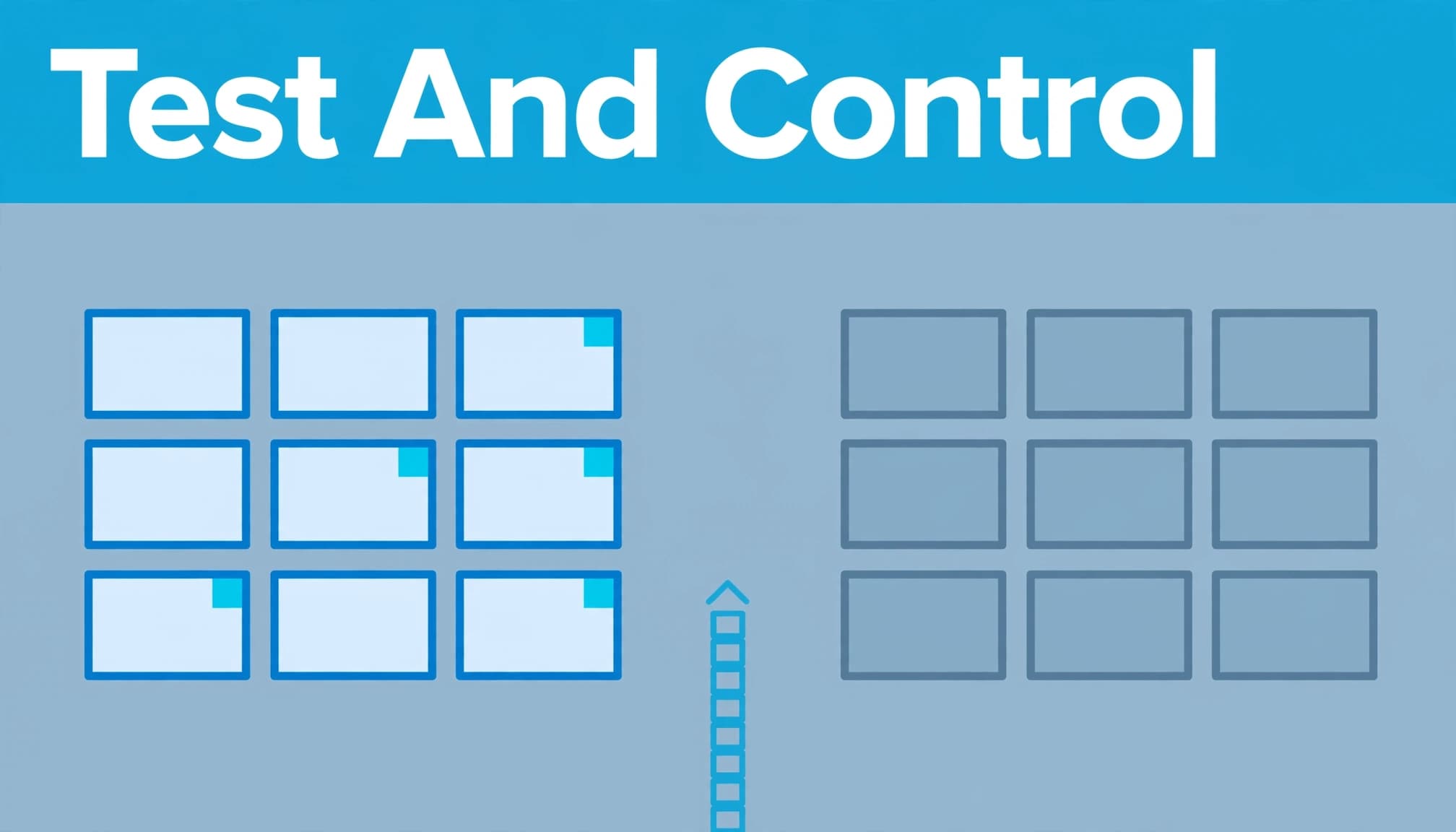
Start by defining the eligible UK accounts you can realistically serve. For a UK payroll software supplier, that might mean mid-sized employers in selected regions, excluding current customers and open sales opportunities. Apply the same rules to both groups, and fix these target audiences before launch.
In B2B, the account is often the better unit than the individual lead. Three people from one company may research the same purchase, so counting them as three independent opportunities can make a small campaign look stronger than it is.
If your available targeting permits regional delivery, pair markets with similar pre-test lead volumes, sector mix and existing spend. Randomly assign one market in each pair to receive the new campaign, while holding ChatGPT spend back in the other. Check current official documentation before promising a geographic test, as regional delivery and holdouts are advertiser-managed unless a native feature is confirmed.
Check for exposure outside the test
Your control group should continue to receive normal marketing. Keep Google Ads, SEO and Facebook Ads activity as consistent as you reasonably can across both groups. Record promotions, budget shifts and major sales outreach.
People may work in one region and live in another, or share a landing page with colleagues. Context hints may indicate conversation relevance, but they aren’t a controllable targeting variable or an exposure log. Company records alone won’t confirm a person’s subscription tier, account eligibility or likely exposure. “Free and Go tier” refers to users on either named tier, not proof that an account saw an ad. Review location and account records where you have lawful access, but don’t assume you can identify everyone who saw an ad.
Small account pools create another problem: one large deal can dominate pipeline value. Compare lead counts, accepted-lead rates and opportunities alongside pounds of pipeline. If the groups differ sharply before launch, fix the design rather than hoping the analysis will rescue it. A PPC audit checklist can help you spot tracking and budget changes that would confuse the result.
Choose a window and metric that match the sales cycle
Separate the campaign window from the outcome window
A six-week advertising test doesn’t require every deal to close within six weeks. Set a fixed period for delivering ads, then allow more time for leads to become opportunities. Use your historical sales data to decide how long this follow-up should be.
Define when a conversion counts. For example, count sales-accepted leads created during the campaign and for 30 days afterwards, then review opportunities 90 days after each lead was created. Apply the same dates and rules to both groups. If sales qualification usually takes longer, extend the review rather than declaring a winner early.
The measures below serve different purposes. Impression metrics show delivery, not evidence of incremental pipeline.
| Measure | What it tells you | How to use it |
|---|---|---|
| Impressions, clicks and spend | Whether the campaign delivered | Diagnose reach and cost |
| Sales-accepted leads | Whether enquiries fit your criteria | Use as a primary outcome if volume allows |
| Opportunities and pipeline | Whether leads progress commercially | Follow the same account cohorts over time |
| Closed-won revenue | Whether pipeline becomes sales | Review later, when enough deals have matured |
A click or landing page visit can reveal a weak message or page. Neither should outrank a sales-accepted lead when you decide whether to scale. Use B2B lead tracking in GA4 alongside CRM stages, so both groups are judged by the same definitions.
Check whether the sample can answer the question
B2B results can be sparse. If each group produces only a handful of qualified leads, an apparent lift may be normal variation. Estimate expected lead volume from comparable markets before launch, and agree what you’ll report if the sample stays small.
You can still learn about message fit, landing-page quality and tracking. Be careful with claims of incremental revenue until deals have had time to close. For budget decisions, B2B customer acquisition cost should follow the relevant cohort through its sales cycle.
See what a pilot result does, and doesn’t, prove
A worked example
Imagine a UK payroll software company testing one advert and one demo page across matched regions. During the baseline period, its proposed test regions generated 16 sales-accepted leads and its control regions generated 14. During the campaign period, those figures rise to 24 and 18.
The test regions gained eight leads; the controls gained four. The difference in those changes is four leads. That’s a more informative starting point than crediting all 24 test-region leads to the adverts.
It’s still an illustration, not a reliable lift finding. The counts are low, the regions may have changed in other ways, and the sales team must apply the same acceptance rules throughout. If the campaign cost £4,000, dividing spend by four gives a provisional £1,000 per additional accepted lead. Before treating £4,000 as a feasible pilot budget, check whether the account has a minimum spend requirement. It doesn’t give you a customer acquisition cost or prove that four extra leads were caused by the ads.
Look for the other explanation
Use cross-channel attribution to check whether branded search, direct visits or enquiries credited to other channels changed between groups. An ad could influence somebody who later returns through search. Equally, it could claim a click from someone already on the way to your site.
Context hints may suggest an advert is relevant. They don’t reveal a person’s intent or prove exposure. Check whether sales outreach, a product announcement, competitor activity or a change to the ad creative differed between markets. Keep a dated record rather than trying to remember changes at the end. If you can’t maintain a fair holdout, report the pilot as directional and avoid a causal claim.
This is also where your existing Google Ads performance measures help. Compare lead quality and cost, whilst remembering that channel reports use different attribution rules.
Build the measurement trail before launch
Keep the paid source identifiable
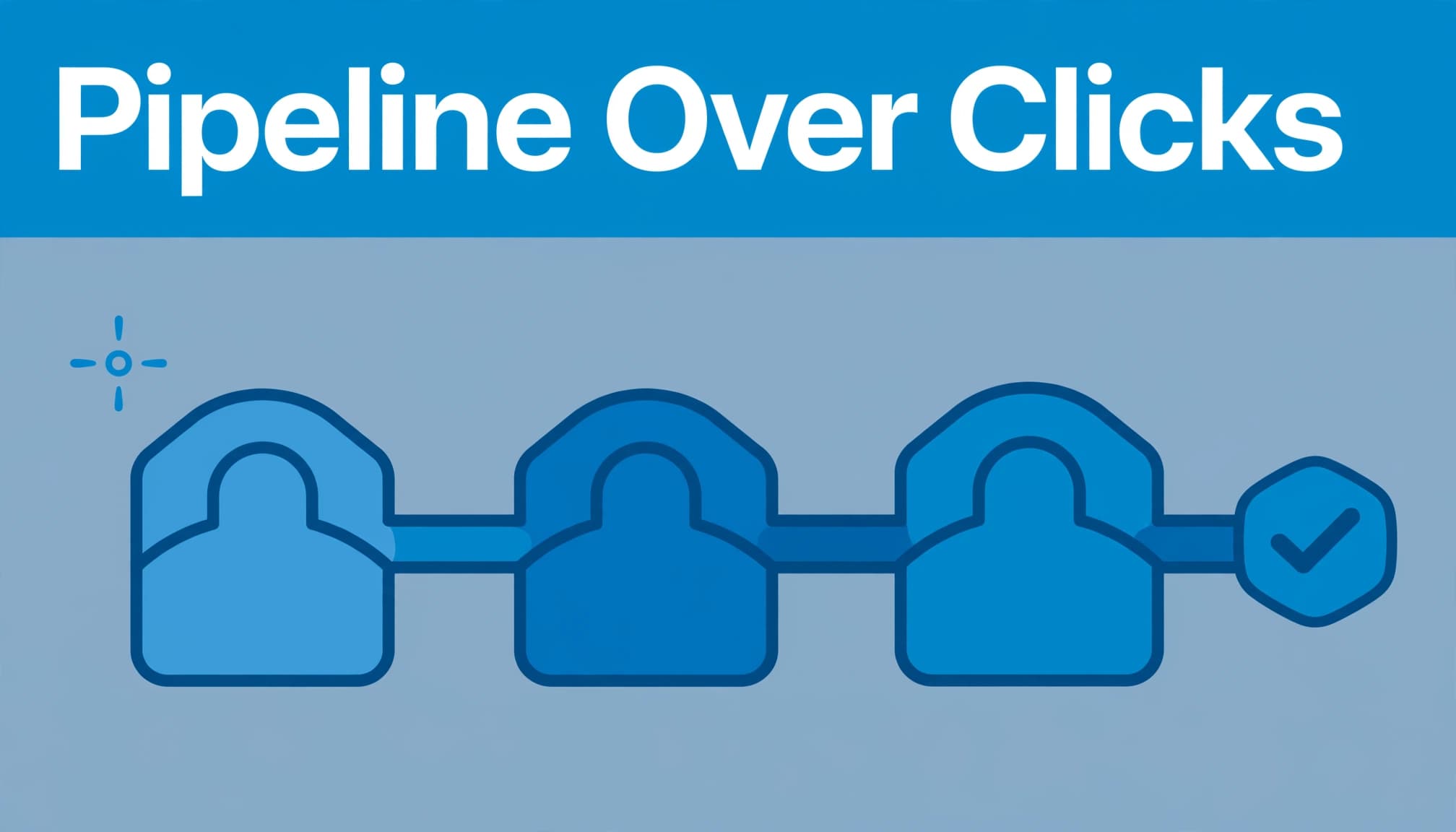
Tag the landing-page URL when your ad setup permits it. Use consistent UTM values for source, medium and campaign, then check that they survive the visit and form submission. Keep paid ChatGPT visits separate from unpaid ChatGPT referrals.
Capture first-touch and latest-source fields in the CRM where consent, purpose and privacy standards allow. A buyer may change devices or return through direct traffic, so don’t guess when source data is missing. CRM records for the Free and Go tier don’t prove someone’s subscription or ad exposure. Use cross-channel attribution to reconcile platform, analytics and CRM views of form events, qualified leads and outcomes against consistent conversion definitions. The discipline in Google Ads conversion tracking is useful here, even though the platforms’ tools differ.
Where your account offers conversion measurement, check current documentation and settings before implementation, including whether a Conversions API is available. Don’t assume OpenAI offers one or that sponsored cards are a distinct format or have reporting controls unless official documentation confirms it.
Let sales and finance finish the picture
Ask sales to record whether an enquiry was accepted, became a meeting and opened an opportunity. Finance can confirm which opportunities became revenue, helping you trace revenue sources. Offline conversion data and a PPC lead feedback loop show how to keep those stages useful across your wider reporting.
Server-side tracking may improve the quality of consented website and CRM events where it’s supported. It can’t identify everyone who saw an advert or replace a control group. Review your server-side tracking setup for duplicate events before comparing platform totals with internal records.
Decide whether the campaign deserves more budget
Review delivery, lead quality and the test-versus-control difference together. If clicks rise but accepted leads don’t, inspect the advert’s promise and the page it leads to. Bear in mind that the Free and Go tier audience may not represent every B2B buyer.
Keep your decision proportionate to the evidence. A small pilot may justify another, better-powered test if samples are small or sales outcomes haven’t matured. Clear failure is useful too: it lets you adjust the offer or protect spend for channels already producing qualified demand.
Treat ChatGPT activity as one part of your performance marketing mix, and assess AI-native advertising by its contribution to the whole. The budget question is whether adding it improves outcomes across the mix, not whether its own dashboard reports an attractive cost per click. Verify any minimum spend as an account requirement, not a performance benchmark.
Make the next test count
ChatGPT ads can support B2B incrementality testing when you define the population, holdout, outcome window and success metric before the first advert runs. Platform reporting helps you manage delivery; the comparison helps you judge whether it added pipeline.
If your current reports can’t follow a lead through sales acceptance and opportunity creation, fix that path first. Then plan a controlled pilot around one buyer problem and a result your team can act on.
Speak to Flow20 about a Digital marketing plan that connects the test with qualified pipeline and a sensible next budget decision.